


How to Measure Motorcycle Chain Size
Choosing the right motorcycle chain starts with knowing what size chain your bike uses. Motorcycle chains come in a range of sizes, including 420, 428, 520, 525, 530 and 630, and the numbers describe the chain's dimensions rather than its length.
Fortunately, identifying a chain size is relatively straightforward with a set of vernier calipers or a micrometer.
How Motorcycle Chain Sizes Work
Motorcycle chain sizes are based primarily on two measurements: pitch and inner width.
The first number relates to the chain's pitch — the distance between the centers of two adjacent chain pins — expressed in eighths of an inch.
For example:
-
5/8-inch pitch = a chain beginning with 5, such as 520, 525 or 530
-
1/2-inch pitch = a chain beginning with 4, such as 420 or 428
The remaining part of the chain size identifies the width of the chain between the inner plates.
This is why chains that look very similar can still require different sprockets. The chain, front sprocket and rear sprocket all need to be compatible.
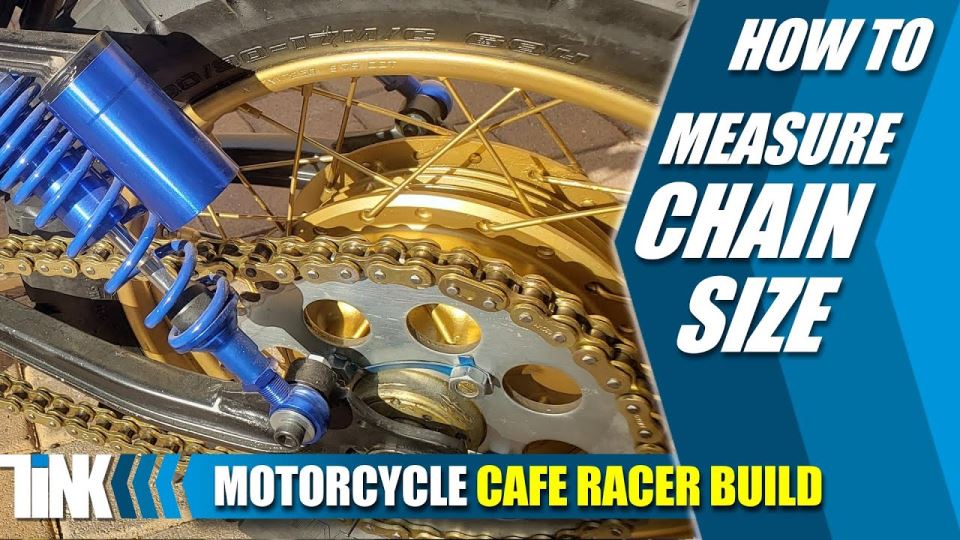
Measuring Motorcycle Chain Size
You'll need a set of vernier calipers or a micrometer capable of measuring in imperial or metric units.
1. Measure the Chain Pitch
Measure from the center of one chain pin to the center of the next.
For common motorcycle chains, the most useful measurements are:
-
1/2 inch = 4-series chain
-
5/8 inch = 5-series chain
-
3/4 inch = 6-series chain
If you're measuring in metric, 5/8 inch is approximately 15.875 mm and 1/2 inch is approximately 12.7 mm.
2. Measure the Inner Width
Next, measure the narrowest distance between the inner plates of the chain.
This measurement distinguishes between chain sizes with the same pitch. For example, 520, 525 and 530 chains all have a 5/8-inch pitch but have different internal widths.
3. Identify the Chain Size
Once you have the pitch and inner width measurements, compare them with a motorcycle chain-size chart from the chain manufacturer.
It's also worth checking the markings on the existing chain if they are still visible. The chain size is often stamped onto the side plates.
Don't Confuse Chain Size With Chain Length
Chain size and chain length are two different things.
A chain might be specified as a 520 chain with 110 links, for example. The 520 describes the dimensions of the chain, while 110 describes its length.
When replacing a chain, you need the correct size as well as enough links for your motorcycle's sprocket combination and adjustment range.
Checking Motorcycle Chain Wear
While you're inspecting the chain, it's worth checking its condition too.
A worn chain can develop excessive elongation as the pins and bushings wear. The pitch doesn't actually change, but wear within the chain increases the distance between pins when the chain is pulled tight.
Check your motorcycle manufacturer's specification for the maximum permitted chain elongation and replacement criteria. Chain wear should be assessed over multiple links rather than relying on a single measurement.
Also inspect the chain for stiff or seized links, damaged rollers, excessive rust, damaged side plates and uneven wear. The condition of the sprockets should be checked at the same time.
If the chain and sprockets are significantly worn, replacing the complete chain and sprocket set is generally the best approach.
What Chain Size Does Your Motorcycle Need?
The correct chain size should ultimately be confirmed from your motorcycle's specifications, the existing chain or the sprocket manufacturer's information. Don't assume that two motorcycles with similar engine sizes use the same chain.
Getting the chain size right is important because the chain and sprockets are designed to work together. If you're building or modifying a café racer, changing the gearing may also mean changing the required chain length.
A few minutes with a set of calipers can save you from ordering the wrong chain.
 Tools Catalogue
 Parts Catalogue
 Tips + Techniques